
Taepyeong Station Dental Clinic
Without fear, comfortably
Conscious SedationWhat is Iran
Director Park Hyun-sung · Director Park Hyun-joon
Conscious Sedation Therapy Guide
Conscious sedation
This is a method of performing dental treatment while minimizing anxiety and fear by inducing a semi-conscious state in the patient using medication. Consciousness is maintained, allowing the patient to respond to the medical staff's instructions, and it is distinct from general anesthesia.
Optimal for patients with dental phobia
This is especially suitable for those who experience extreme fear and tension during dental treatment, have a severe gag reflex, or require lengthy procedures such as implants or extractions. Since memory of the treatment is often hazy afterward, the psychological burden is significantly reduced.
Safety and monitoring
We monitor blood pressure, pulse, and oxygen saturation in real-time throughout the procedure. Medication dosages are adjusted according to the patient's weight and health condition, and the procedure is conducted with a system in place for immediate response to emergencies.
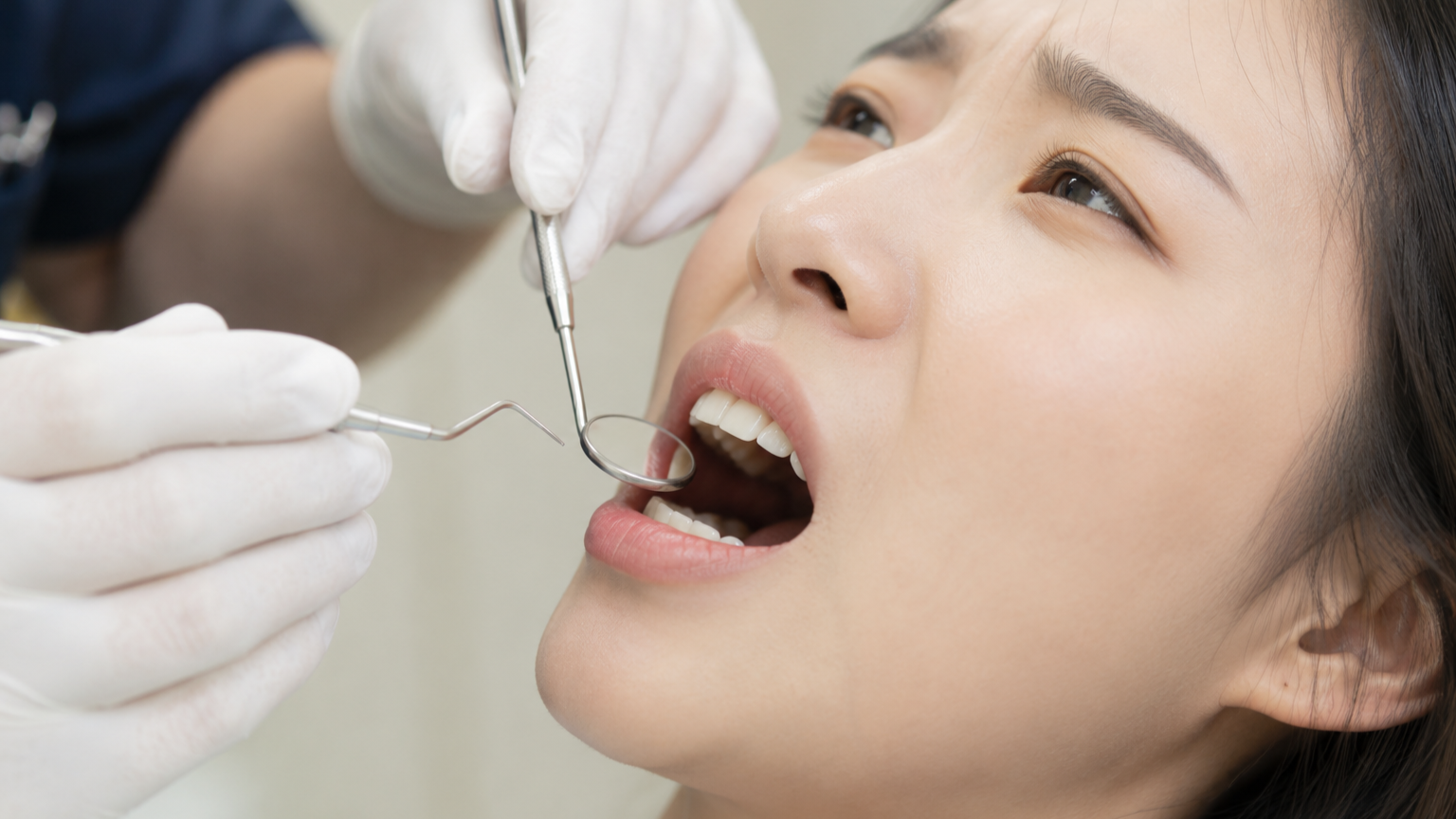
Conscious sedation: Why dental phobia patients choose it
Dental phobia is not simply a matter of being a coward. It is a physical and psychological response formed by various causes, such as past painful treatment experiences, fear of injections, and reflexive tension from the sound of drills. This leads to a vicious cycle where postponing treatment eventually worsens tooth damage. Conscious sedation induces a comfortable semi-conscious state in the patient using safe medication, while suppressing only anxiety and fear responses, maintaining consciousness and responsiveness. Painful stimuli during treatment are significantly reduced, and the patient can barely remember the treatment process afterward, preventing the formation of psychological trauma. It is the most realistic way for those who have avoided the dentist for a long time to begin treatment.
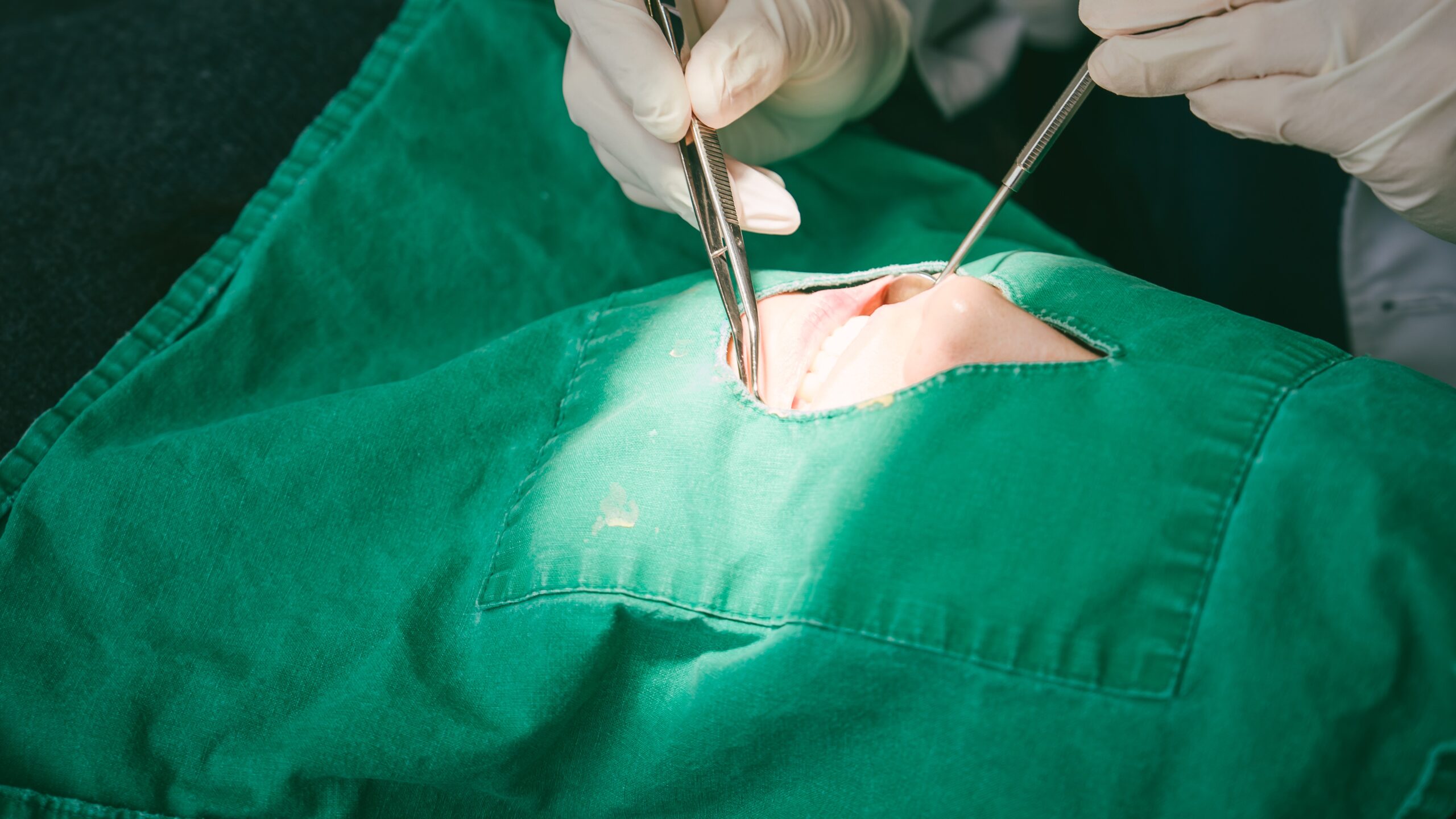
Conscious Sedation: Essential Guidelines to Know on the Day of the Procedure
Conscious sedation requires strict adherence to pre-procedure preparations for safe administration. On the day of the procedure At least 4-6 hours fastingshould be maintained, and if the contents remain, there is a risk of aspiration into the airway, which may lead to cancellation of the procedure. After drug administration Must be accompanied by a guardian.You must refrain from driving, drinking alcohol, or making important decisions on the same day. Since it may take several hours for the effects of the medication to completely wear off, it is important to rest after returning home. You must inform your medical staff in advance about any medications you are currently taking (especially blood pressure medication, anticoagulants, and antidepressants)., Drug interactionsThis can affect the depth of sedation. Temporary dizziness, nausea, and blurred memory after the procedure are normal reactions and will recover soon.
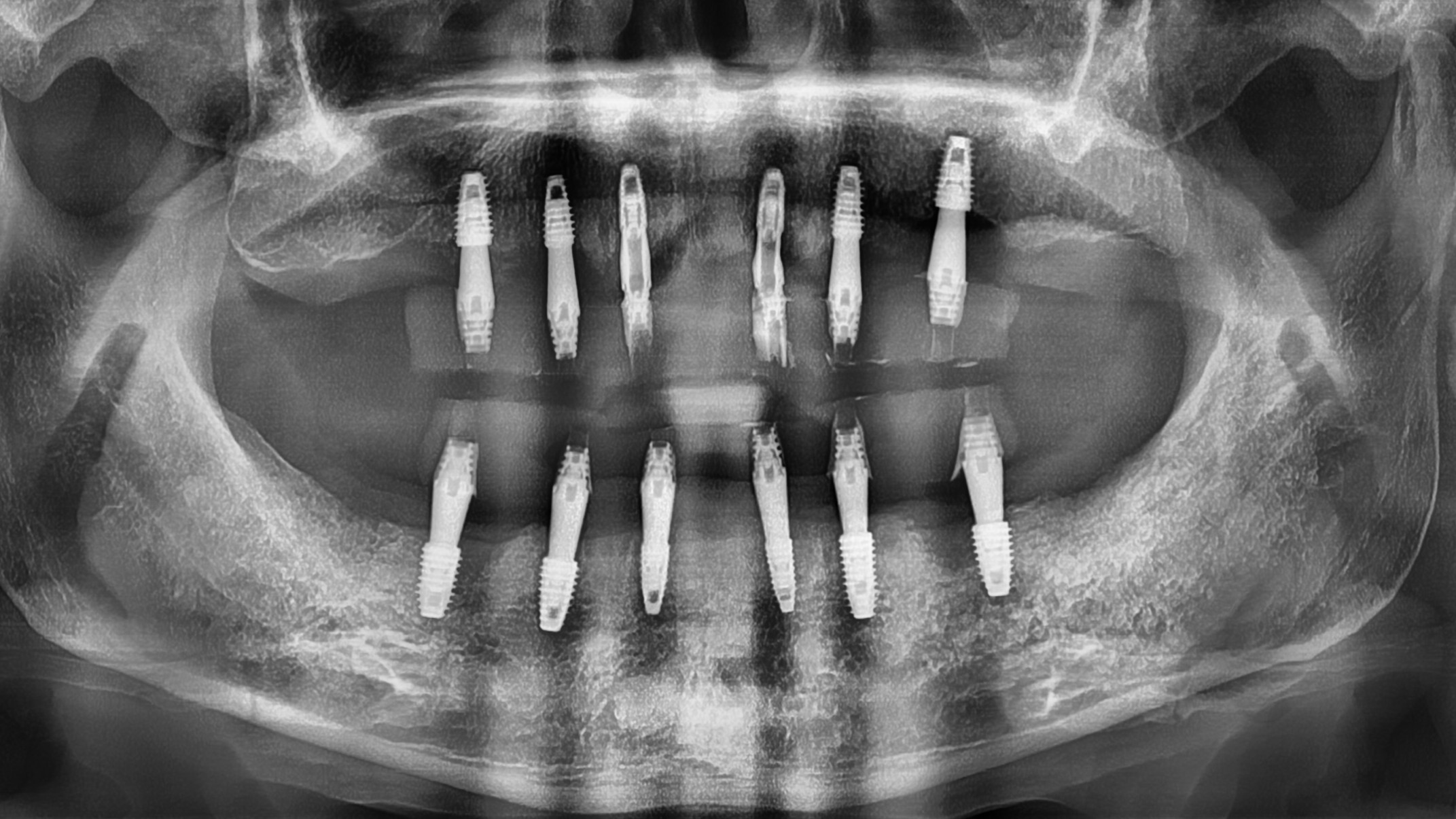
Is it possible to perform all dental treatments with conscious sedation?
Conscious sedation can be applied to various procedures such as implant placement, wisdom tooth extraction, gum surgery, and treatment of multiple teeth. However, its application may be limited in cases of severe respiratory diseases, sleep apnea, a history of drug allergies, or pregnancy, and a prior health check is essential. For complex maxillofacial surgeries requiring general anesthesia or for young children, referral to a specialized pediatric institution may be more appropriate. It is safer to confirm whether conscious sedation is suitable for you and what the treatment plan will be through a diagnostic consultation, rather than making an arbitrary judgment before visiting the clinic.
Method Comparison
Taepyeong Station Dental Sedation Treatment Methods at a Glance Comparison
Laughing gas, oral sedation, conscious sedation, and general anesthesia differ in depth of sedation and indications, so the optimal method varies depending on the patient's condition and treatment.
| Distinguish | Laughing gas (nitrous oxide) | Oral sedation | Conscious Sedation |
|---|---|---|---|
| Calm down deeply | Hardening Sedation | Mild to moderate | Moderate sedation |
| Maintain consciousness | Maintenance | Maintenance | Maintain (Responsive) |
| Anxiety-reducing effect | Usually | Normal~Good | Excellent |
| Memories after treatment | Most memories | Partial memory | Mostly amnesia |
| Suitability for long procedures | Limited | Middle | Excellent |
| Recovery time | Immediate recovery | several hours | several hours |
| Guardian required | Unnecessary | Need | Essential |
| Suitability for dental phobia patients | Usually | High | Highest |
Who needs it?
Taepyeong Station Dental Sedation Dentistry: Recommended for These Individuals
If you meet the following conditions, you can receive treatment comfortably and safely through conscious sedation.
For those with dental phobia or extreme anxiety
This is most suitable for those who have been postponing dental visits for a long time due to the sound of dental drills, fear of needles, and past painful treatment experiences. It helps suppress anxiety and allows patients to receive treatment until the end.
For those who require prolonged procedures such as dental implants or extractions
This is suitable for those who want to comfortably receive procedures like multiple dental implants, wisdom tooth extraction, and gum surgery, all at once. You can also reduce the number of visits by undergoing multiple treatments concurrently under sedation.
Individuals with a strong gag reflex
Conscious sedation is effective for individuals who experience severe nausea during impression taking, radiography, and insertion of treatment instruments. The gag reflex is suppressed in a sedated state, allowing for much smoother treatment.
Those concerned about stress during treatment for systemic disease
For patients undergoing treatment for cardiovascular diseases, high blood pressure, etc., who are at risk of extreme tension impacting their health, sedation can be used to safely proceed with treatment by minimizing the stress response. Pre-consultation with internal medicine may be required.
Procedure Flow
Taepyeong Station Dental Sedation Process
From pre-consultation to recovery confirmation, everything proceeds safely step by step.
Pre-operative health assessment and sedation plan development
We will check the medications you are currently taking, your allergy history, and any underlying medical conditions to determine the depth of sedation and medication dosage. You will be fully informed of precautions, such as fasting on the day of the procedure and whether a guardian needs to accompany you.
Connect vital signs measurement and monitoring equipment
Before the procedure, blood pressure, pulse, and oxygen saturation will be measured, and real-time monitoring equipment will be connected throughout the treatment. A venous line will be secured to prepare for safe medication administration.
Drug administration and induction of sedation
Sedative medication is slowly administered intravenously to induce a comfortable state of semi-sleep. The patient remains conscious and can respond to the medical team's instructions, but anxiety and fear are significantly reduced.
Dental treatment in progress
Scheduled treatments such as implants, extractions, and gum surgery are performed under sedation. Local anesthesia is administered concurrently to block pain, and the patient's vital signs are continuously monitored during treatment. Most patients form little to no memory of the procedure.
Recovery room stability and discharge confirmation
After treatment, rest in the recovery room until the medication has sufficiently worn off. You will be discharged with your guardian when vital signs return to normal and walking is stable. Driving on the same day is prohibited, and sufficient rest is required after returning home.
Key to Safety
Taepyeong Station dental conscious sedation,
Conditions for safe treatment
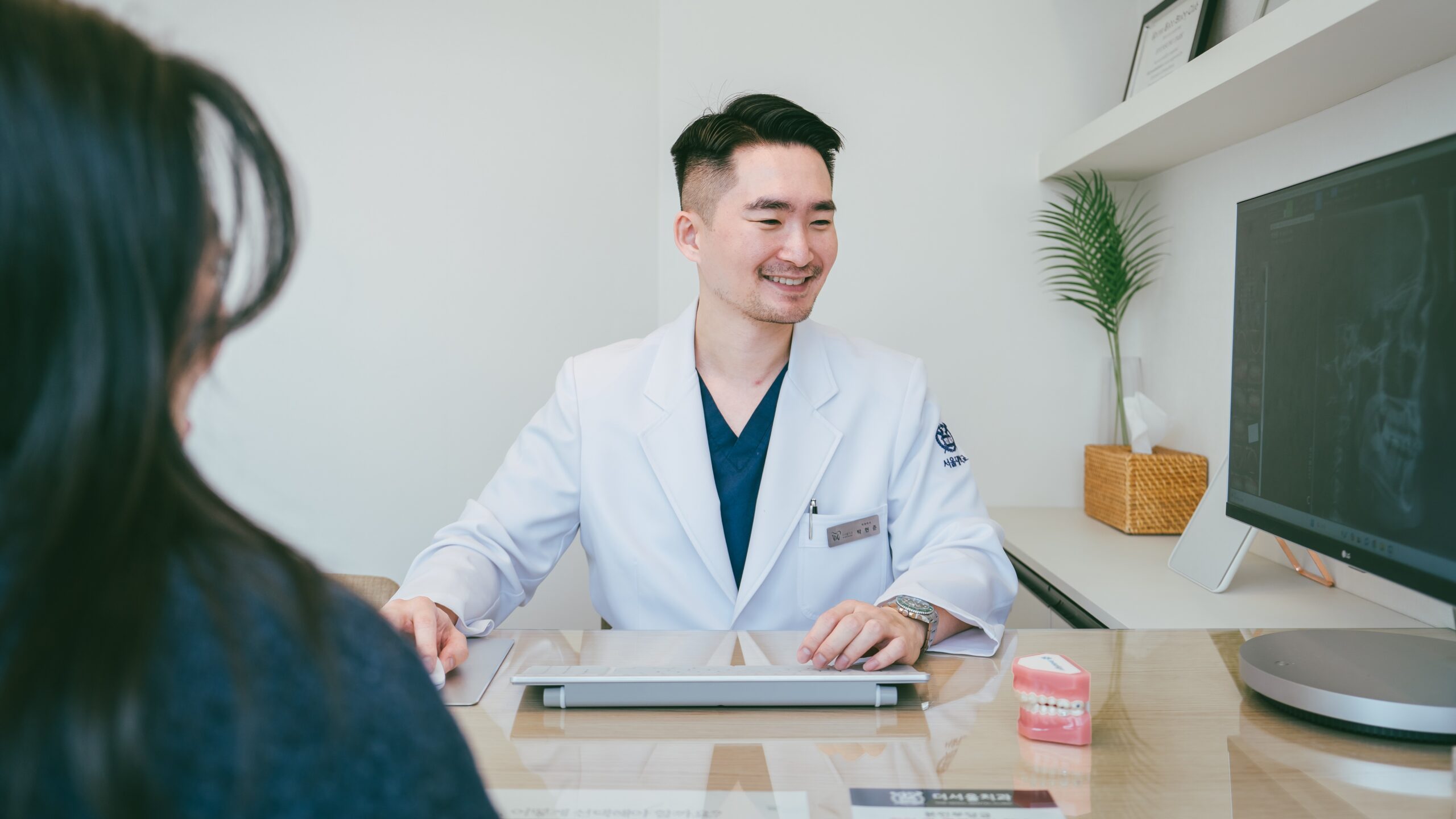
thorough prior assessment and
Real-time monitoring is key to safety.
The safety of conscious sedation depends on the choice of medication, dosage adjustment, and continuous monitoring during the procedure. Thoroughly understanding the patient's health status in advance and establishing a personalized sedation plan is the first step in preventing complications.
Always prepare equipment and medications for emergencies, and perform only in an environment equipped with oxygen supply and the ability to maintain an airway. The principle is to allow the patient to go home only after sufficiently checking their recovery status after the procedure.
Pre-operative health assessment
Thoroughly check medication history, underlying conditions, and allergies to personalize sedative medications and dosages.
Real-time monitoring
Blood pressure, pulse, and oxygen saturation are continuously measured throughout the entire pre-procedure process to immediately detect any abnormal signs.
Go home after confirming recovery.
After confirming the medication's effects have sufficiently worn off and vital signs are stable, you will be discharged home with your guardian.
Taepyeong Station Dental Sedation
Q&A You Need to Know
On the day of the conscious sedation treatment, can an office worker receive treatment immediately after work?
Do you feel pain even when you are in a calm state?
3. Can I receive conscious sedation even if I have chronic illnesses such as high blood pressure or diabetes?
4. Can I get multiple implants at once?
Taepyeong Station Dentist: Suitability for Conscious Sedation
We will confirm with a preliminary consultation.
Director Park Hyun-sung · Director Park Hyun-jun
The Seoul Dental Clinic