
Sujin Station Dental Clinic
When you have diabetes, osteoporosis, or cardiovascular disease
Pre-inspectionWhy is it needed?
Director Park Hyun-sung · Director Park Hyun-joon
Pre-implant examination guide for patients with systemic diseases
Whether to proceed with dental implant based on HbA1c levels
Blood sugar control status directly affects implant osseointegration and healing speed. The glycosylated hemoglobin (HbA1c) level is checked beforehand to determine the timing of implant placement and management methods.
Bone density and medication history check
Whether or not to take osteoporosis medication and bone density levels are directly related to implant success rates. The timing and method of placement are adjusted based on the duration and type of medication.
Custom procedure design for cardiovascular conditions
We check blood pressure and whether you are taking anticoagulants or antiplatelet drugs in advance to manage bleeding risk and stress responses during the procedure. If necessary, we consult with internal medicine specialists to proceed safely.
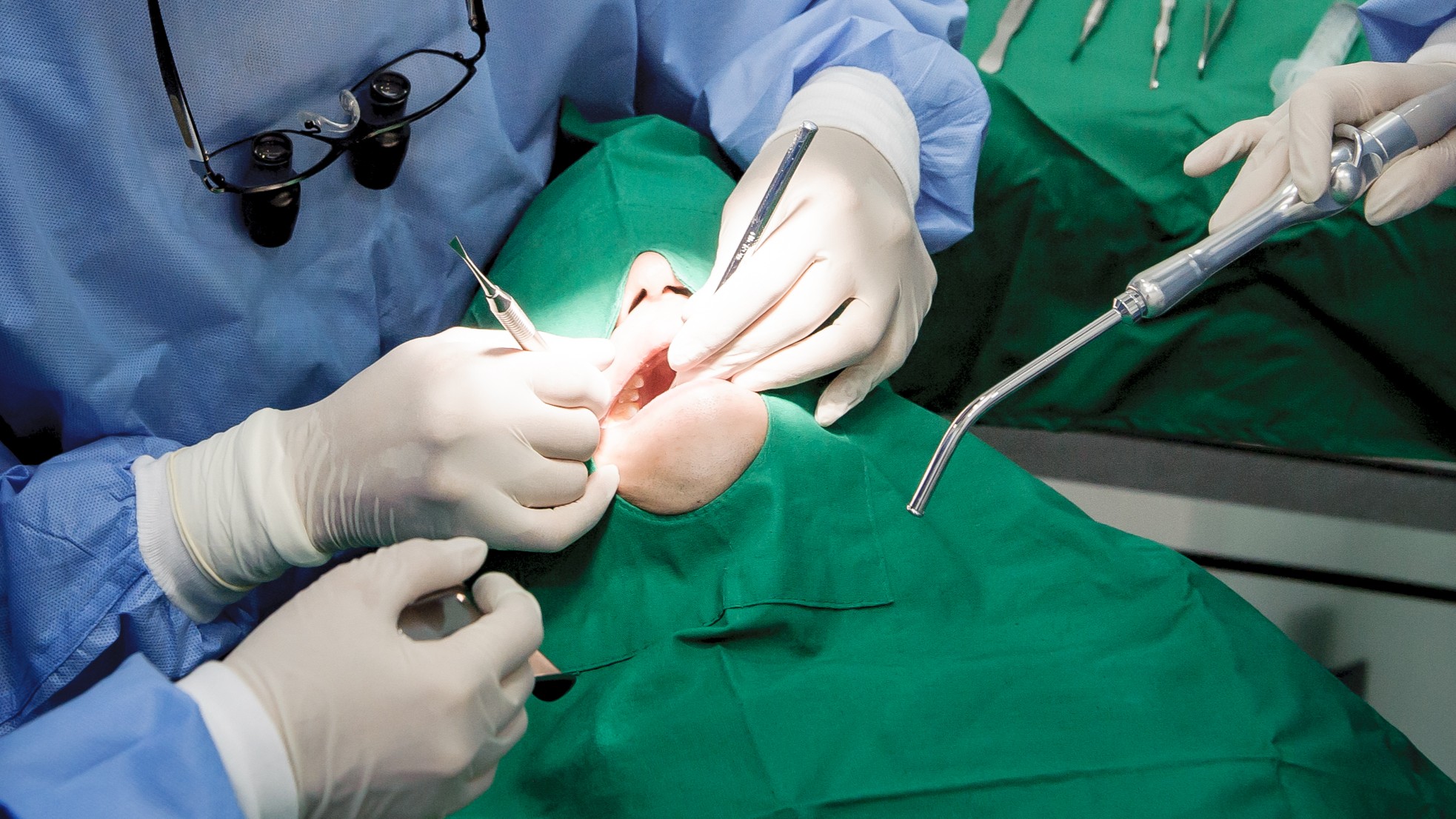
Why is a pre-examination particularly important for patients with diabetes, osteoporosis, and cardiovascular disease?
For implants to be successfully placed, they must undergo osseointegration, where the bone fuses with the artificial root. However, diabetes, osteoporosis, and cardiovascular disease are representative systemic conditions that can directly affect this osseointegration process, healing rate, and safety during the procedure. Uncontrolled blood sugar levels increase the risk of infection and osseointegration failure. A history of taking osteoporosis medications can be associated with complications such as medication-related osteonecrosis of the jaw. Cardiovascular disease directly impacts blood pressure management and bleeding control during the procedure. Therefore, patients with these three conditions require more precise pre-operative examinations and individualized treatment plans than general patients.

Pre-examination items to check by disease
Diabetic patients Glycated hemoglobin (HbA1c) We check blood sugar control status for the last 2-3 months through numerical values. Osteoporosis patients Bone density test (DEXA)You need to determine the duration and type of bisphosphonate medication. For cardiovascular disease patients, check their blood pressure, electrocardiogram, and whether they are taking anticoagulant or antiplatelet drugs, and if necessary, Internal medicine consultationWe determine the feasibility of the procedure. If three diseases are present, we carefully design the timing, scope, and anesthesia method for implantation by comprehensively reviewing each test result.

Things to prepare before consultation
For an accurate pre-examination, it is recommended to bring a list of all medications you are currently taking, along with any prescriptions, and recent blood and bone density test results. Diabetic patients should bring their recent HbA1c levels, osteoporosis patients should bring information on the method and duration of bisphosphonate administration, and cardiovascular disease patients should bring their attending internal medicine specialist's opinion, if available. The more complete this information is, the faster and more accurately you can be guided on the possibility of implantation and the treatment plan.
Pre-Implant Assessment
Sujin Station Dental Clinic
Implants by disease
Pre-inspection comparison
Comparing key examination items to check for diabetes, osteoporosis, and cardiovascular disease in each condition.
| Distinguish | Diabetes | Osteoporosis | Cardiovascular disease |
|---|---|---|---|
| Core dictionary check | Glycated hemoglobin (HbA1c) | Bone density test (DEXA) | Blood pressure measurement and electrocardiogram |
| Medication to check | Antidiabetic drugs · Insulin | Bisphosphonate class | Anticoagulants and antiplatelet agents |
| Key risk factors | Infection and delayed bone union | Medication-related osteonecrosis of the jaw | Bleeding and blood pressure changes |
| Need for internal medicine consultation | When blood sugar is unstable | When taking injectable medication | Mostly recommended |
| Implant suitability | Good control is possible | Possible after confirming medication history | Possible when the condition is stable |
Who benefits most?
Sujin Station Dental Clinic
Pre-implant examination?
If you fall into any of the categories below, we recommend a precise pre-implant examination to establish a safe implantation plan.
For those worried about dental implants due to diabetes
If your blood sugar is well-controlled, you don't need to give up on implants just because you have diabetes. We will check your HbA1c levels and help you find a safe implantation time and management plan.
Those taking osteoporosis medication
If you are currently taking or have a history of taking bisphosphonate medications, prior review based on the type of drug and duration of administration is required. We will design a safe treatment plan by accurately confirming your medication history.
Individuals taking medication for cardiovascular disease
For those taking anticoagulants or antiplatelet medications, or those requiring blood pressure management, controlling bleeding risk and stress response during the procedure is crucial. If necessary, we will consult with the internal medicine department to ensure the procedure is carried out safely.
Someone who was told at another hospital that an implant would be difficult
Even if you've been told that implantation is difficult elsewhere due to a systemic disease, you can re-examine the possibility of implantation through precise pre-examination.
Procedure Flow
Sujin Station Dental Clinic
Implant pre-examination process
From the initial consultation to confirming implant eligibility, we proceed meticulously, step-by-step.
Medical history and medication check
We will thoroughly review your internal medicine history and current medications (such as antidiabetics, osteoporosis treatments, and anticoagulants). We will also ascertain the diagnoses, when they were made, and the duration of medication use to determine the direction of subsequent tests.
Conducting precise examinations by disease
For diabetic patients, we check HbA1c results; for osteoporosis patients, bone density test (DEXA) results; and for cardiovascular disease patients, blood pressure and ECG, etc. If necessary, we utilize recent test results or perform re-examinations.
Internal medicine consultation if necessary
If blood sugar control is unstable, or if you are taking anticoagulants or bisphosphonate medications, consult with your primary care physician to confirm the feasibility of the procedure and discuss any necessary precautions.
Implantability and customized treatment plan development
All examination results are consolidated to determine the feasibility of implantation, the optimal timing, and the anesthesia and surgical methods. If risk factors are identified, a phased approach or additional management plans will be designed.
Procedure performed under safety management
We will proceed safely by monitoring necessary indicators during the procedure according to the confirmed plan. We will also provide guidance on post-procedure care and the schedule for regular check-ups.
Key to Safety
Sujin Station Dental Clinic
Patients with diabetes, osteoporosis, and cardiovascular disease,
Conditions for Safe Implants
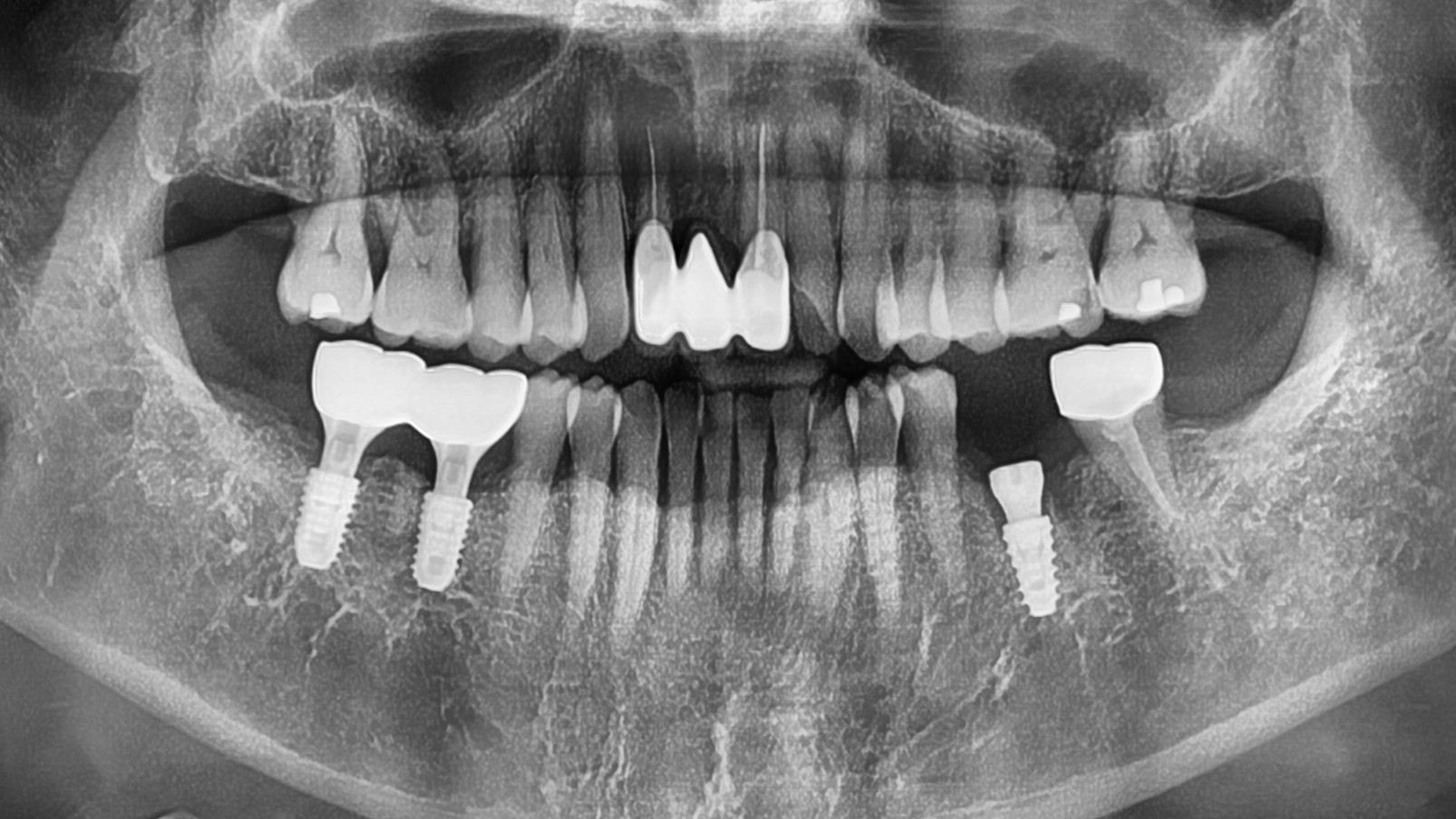
The more systemic diseases you have
Accurate pre-assessment is crucial for safety.
Diabetes, osteoporosis, and cardiovascular disease each affect implant success rates and complication risks in different ways. The starting point for safe treatment is not to make a blanket judgment based on a single criterion, but to accurately assess the specific characteristics of each disease and the individual patient's control status.
Based on the examination results, the timing, scope, and anesthesia method of implantation are individually designed, and if necessary, we consult with internal medicine to jointly establish pre- and post-procedure management plans. During the procedure, necessary indicators are monitored to prepare for immediate response to any abnormal signs.
Personalized testing by disease
We accurately assess your current condition with tests tailored to your diseases, such as glycated hemoglobin, bone density, blood pressure, and electrocardiogram.
Internal medicine consultation if necessary
If your condition is unstable or you are taking complex medications, please consult with your primary care physician to determine the feasibility of the procedure.
Safety management during and after the procedure
monitor essential indicators during the procedure, and,
We will guide you on post-procedure care and regular check-ups.
Diabetes, osteoporosis, cardiovascular disease
Implants: Q&A You Must Know Before Getting Them
Should I stop taking blood pressure medication and blood thinners before the procedure?
2. Should I take my diabetes medication or insulin as usual on the day of the procedure?
If an internal medicine consultation is needed, do I have to go to a separate hospital?
4. If my lab results are poor now, can I never get implants?
Sujin Station Dental Clinic
Diabetes, osteoporosis, cardiovascular disease
You can confirm implant suitability through a consultation.
Director Park Hyun-sung · Director Park Hyun-jun
The Seoul Dental Clinic